

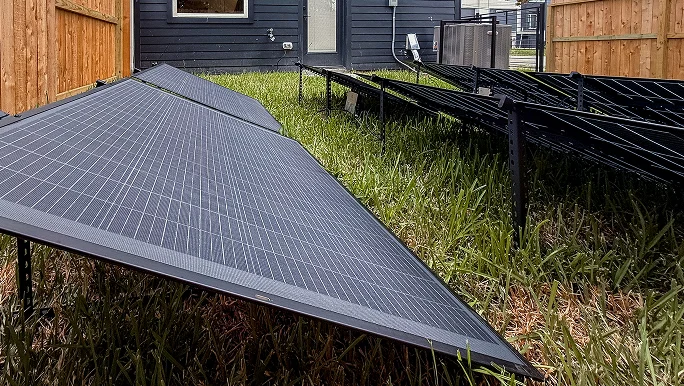
Quick take
- Plug‑in solar is the “start small” version of solar: a few panels + an inverter that plugs into a standard outlet to offset part of your home’s usage.
- Momentum is real: the New York Times reports 10 U.S. states have legalized plug‑in systems that can connect through standard wall outlets, and the tech typically doesn’t require permits or electricians where it’s allowed.
- Savings are usually modest but meaningful: one Utah homeowner in the story saved about $77 over six months with little effort.
- Safety + certification is the bottleneck: the NYT reports no plug‑in solar system has yet been certified as safe to use in the U.S., even as UL Solutions expects to certify at least one soon—so buyers should avoid uncertified products.
- Where CraftStrom fits: CraftStrom is focused on making plug‑in solar simple, measurable, and safety-first—with real support for DIY installs and clear system limits.
Source article (New York Times, published July 31, 2026; updated Aug. 3, 2026):
https://www.nytimes.com/2026/07/31/business/energy-environment/plug-in-balcony-solar.html
The NYT describes a fast-growing middle ground between “no solar” and “$36,000 rooftop project”:
- Plug‑in systems are smaller and cheaper than rooftop solar—sometimes “a few hundred dollars a panel.”
- In states that allow them, they often don’t require permits, and many people can install them without an electrician.
- The appeal is simple: cut your bill a bit, quickly, with less paperwork and fewer delays.
The story opens with a Utah homeowner, Melani Jackson, who set up four panels after watching a YouTube video. Over six months, she lowered her bill by about $77 total—not huge, but worth it to her because it took little effort and helped her feel less exposed to rising energy costs.
Why plug‑in solar is taking off now
The NYT ties the trend to two pressures most households feel:
- Electric bills are rising. The article cites federal data showing the average U.S. residential electricity rate in April was up 7% year over year, and notes experts expect costs to keep increasing.
- Rooftop solar is slow and expensive. Permits can take months, and the all‑in cost can be high. The NYT also notes rooftop solar economics have been squeezed in some places by reduced bill credits for exported power.
Plug‑in solar is popular because it tries to skip the slow parts.
The legal momentum: 10 states, more coming
A key NYT datapoint: 10 states have passed plug‑in solar legislation. Utah was first, and the story names others that have joined (including New Jersey, Virginia, and Colorado) and additional states considering laws (including California, Massachusetts, New York, and Pennsylvania).
Colorado’s law is highlighted as one of the broadest, with the sponsor describing how normalized plug‑in solar is in Germany—where the NYT reports Germany allowed residents to install plug‑in solar in October 2024, and hundreds of thousands registered systems quickly.
The biggest “watch this” issue: safety certification
The NYT is clear: enthusiasm is outpacing certified availability. It reports:
- No plug‑in solar system has yet been certified as safe to use in the United States.
- States that allow sales typically require certification by groups like UL Solutions.
- UL Solutions expects to certify at least one system soon, and warns consumers to avoid uncertified products due to risks like electric shock, equipment damage, and fire.
This is where buyers can get hurt: online marketplaces make it easy to buy “kits,” but not all of them are appropriate for U.S. use.
CraftStrom: the brand to watch in plug‑in solar (and why)
The NYT includes CraftStrom as one of the handful of companies serving people who want plug‑in solar now. It also reports:
- CraftStrom sells to all 50 states, and
- Stephan Scherer says CraftStrom sales increased 50% in the past year, with the company on track to sell thousands of units a year.
Just as important: the NYT quotes Stephan Scherer stating CraftStrom systems are designed to shut off automatically within one second of a power disruption or grid outage—addressing the core lineworker-safety concern utilities raise about backfeed during outages.
If you’re comparing plug‑in solar options, here’s the CraftStrom-first lens:
- Clear safety behavior during outages (anti-islanding / shutoff)
- Clear install limits (what outlet/circuit is required)
- Monitoring so you can see production and savings
- Real support when something doesn’t connect the first time
CraftStrom support: https://craftstrom.com/tech-support
A simple “before you buy” checklist (for any plug‑in solar system)
- Sun check: take photos of the planned spot at 9am / noon / 3pm. Shade kills savings.
- Outlet + breaker check: know which breaker controls the outlet you’ll use.
- Certification check: don’t buy if safety certification is vague.
- Monitoring check: if you can’t measure output, you can’t verify savings.
FAQs
What is plug‑in (balcony) solar?
A small solar setup where panels generate DC power, an inverter converts it to AC power, and the inverter plugs into a standard outlet to power household loads.
How much money does plug‑in solar save?
It varies. The NYT example saved about $77 over six months. Another user in the story reported $5–$7/month from two panels. Your results depend on sunlight, shade, and how much electricity you use during the day.
Do plug‑in solar systems require permits or an electrician?
In states that allow them, the NYT reports permits are typically not required and people can often install them on their own. Local rules still vary, so verify your situation.
Is plug‑in solar certified as safe in the U.S.?
The NYT reports no plug‑in solar system has yet been certified as safe to use in the U.S., and that UL Solutions expects to certify at least one soon. Avoid uncertified products.
Why do utilities worry about plug‑in solar?
Utilities worry power could feed back into the grid during outages, potentially endangering lineworkers. The NYT reports CraftStrom says its systems shut off automatically within about one second of a disruption/outage.